
In June 2025, an incident in Bengaluru, India, drew widespread public attention and prompted serious discussion about urban safety and domestic well-being. During a routine waste collection route, sanitation personnel discovered an individual unresponsive inside a municipal waste vehicle. The case, now under active investigation, has led to renewed scrutiny of waste management protocols and raised awareness of issues related to interpersonal relationships in urban settings.
This article provides a fact-based summary of the incident, explores its broader societal implications, and outlines steps communities and authorities can take to enhance safety and public awareness.
Timeline of the Incident
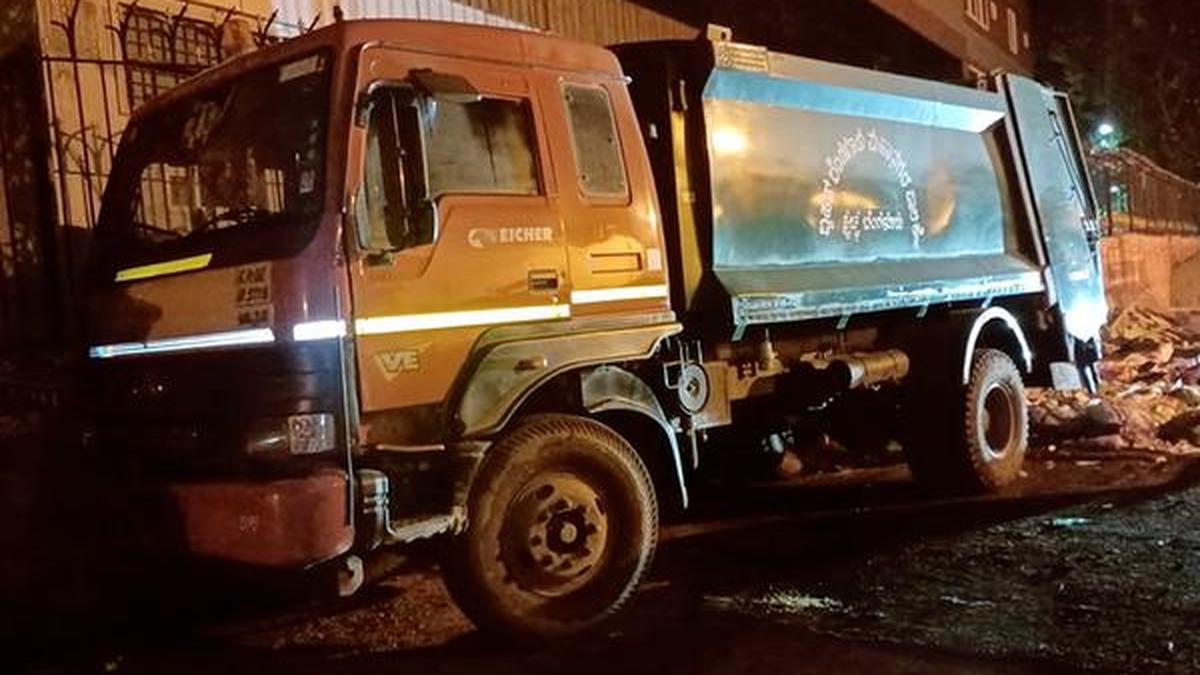
On the morning of June 29, 2025, waste collection personnel employed by the Bruhat Bengaluru Mahanagara Palike (BBMP) were working their usual shift in the K.R. Market area, a densely populated part of the city. During their operations, they encountered a suspiciously heavy and irregularly shaped sack that had been collected with other waste.
Upon closer inspection, the workers immediately contacted local authorities. After arrival, police secured the area and confirmed the presence of human remains. The site was cordoned off for further forensic analysis, and an official investigation was initiated.
Identity of the Individual and Initial Investigation
The individual was later identified as Asha, also referred to by the nickname Pushpa, a 38-year-old woman who had reportedly been living with a man named Mohammed Shamshuddin, aged 45. According to statements made by law enforcement, the two were in a long-term cohabiting relationship.
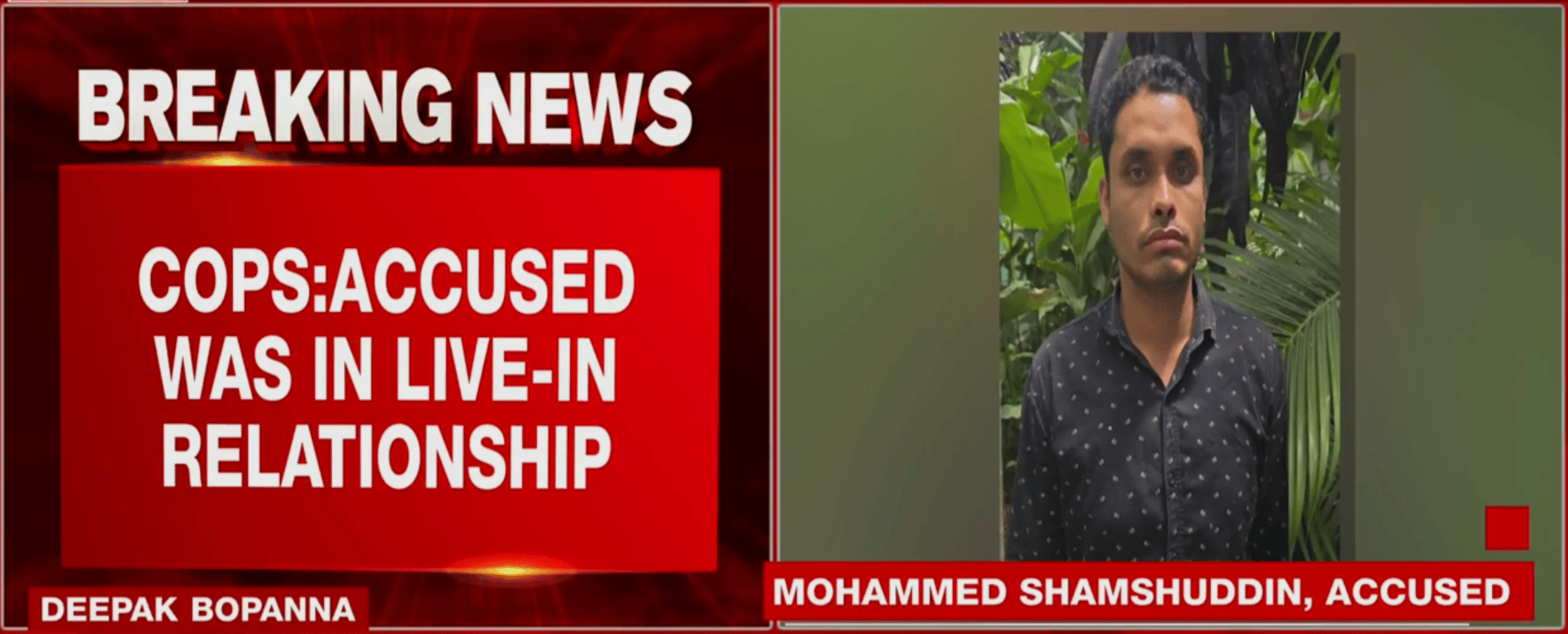
Authorities quickly located Shamshuddin, who was brought in for questioning. Based on preliminary findings and his statements, the authorities believe that a personal conflict may have preceded the event. Shamshuddin remains under official custody while the investigation continues, and formal charges have been filed under relevant provisions of the Indian Penal Code (IPC).
Legal Process and Ongoing Investigation
A First Information Report (FIR) was officially registered, and police confirmed that the legal process would move forward in accordance with Indian law. Charges relate to serious harm and wrongful disposal of an individual, although official terms have been kept neutral during press briefings to avoid sensationalism.
Investigators are currently reviewing:
- CCTV footage from the area,
- Mobile phone records,
- Statements from neighbors and nearby vendors,
- Other physical evidence relevant to establishing a timeline of events.
A court hearing is expected to take place in the coming weeks as the case proceeds through judicial review.
Community Response and Public Dialogue
News of the incident has had a deep emotional impact on residents, particularly in the Kalasipalya and K.R. Market districts, where the incident occurred. Many citizens and local leaders have expressed concern over:
- The vulnerability of individuals in non-marital or cohabiting partnerships, especially when support systems are limited.
- The lack of early intervention mechanisms in urban communities when interpersonal disputes escalate.
- The need for greater oversight in municipal waste handling and public awareness about reporting unusual activity.
Community forums, including local neighborhood associations and NGOs, have begun organizing awareness meetings to discuss mental health, conflict resolution, and how to seek support when faced with domestic challenges.

BBMP’s Response and Institutional Measures
Following the discovery, BBMP issued a public statement acknowledging the alertness and responsibility shown by their sanitation team. Officials expressed their condolences and outlined steps being considered to prevent future oversights, including:
- Enhanced training for sanitation staff to help identify suspicious or irregular items during collection.
- Deployment of safety scanning technology to detect dense objects in garbage prior to compaction.
- Collaboration with law enforcement to set up early reporting protocols for unusual findings during municipal services.
- Supporting workers with emotional wellness resources, especially in the wake of traumatic encounters.
These measures are part of a broader citywide effort to ensure that municipal services operate efficiently and safely, and that public servants receive the support they need in high-stress roles.
Broader Implications: Public Safety and Domestic Support Systems
The Bengaluru incident serves as a somber reminder of the intersection between domestic issues and public service infrastructure. In particular, it has highlighted the importance of:
- Accessible counseling services for individuals in high-conflict relationships.
- Community-based intervention mechanisms that allow neighbors or friends to raise red flags without fear.
- Integration of mental health resources into local health clinics and welfare programs.
Experts suggest that urban anonymity often leads to delays in recognizing when someone is in distress. Strengthening local connections — whether through housing societies, helplines, or community watch programs — can help close this gap.

Role of Sanitation Workers in City Safety
This case also shines a light on the critical role of frontline municipal workers, such as sanitation staff, in maintaining not only urban cleanliness but also public safety. These workers:
- Navigate large and diverse areas daily,
- Interact with various types of waste and public materials,
- Are often first to notice abnormal or potentially dangerous situations.
As such, several city administrators have called for increased investment in training and protective support for waste management teams, including:
- Creating checklists for high-risk zones,
- Ensuring they have direct lines of communication with emergency services,
- Providing access to stress counseling when necessary.

Moving Forward: Prevention and Policy Recommendations
While legal proceedings will determine individual responsibility, stakeholders agree that long-term prevention requires structural and social change. Recommended strategies include:
- Incorporating relationship wellness education into community workshops.
- Supporting initiatives that provide safe spaces and shelter for those in unstable domestic environments.
- Promoting city-wide safety audits of municipal collection systems and service worker protocols.
Community leaders have emphasized that such reforms must be inclusive, community-driven, and sensitive to both privacy and public accountability.
Conclusion
The discovery made during a routine sanitation operation in Bengaluru has triggered meaningful conversations around public safety, domestic challenges, and the invisible roles played by city workers. As the investigation unfolds, the focus is shifting from blame to learning and prevention, with the hope that better systems, stronger support networks, and increased awareness will help protect individuals and communities alike.
Urban safety is not only about policing or governance — it’s about building a city where compassion, vigilance, and accountability coexist.
Sources
- NDTV Coverage of the Bengaluru Municipal Vehicle Case
- India Today Report on the Discovery and Investigation
- Times of India Update on Legal Proceedings
- Official Website of BBMP – Bruhat Bengaluru Mahanagara Palike
Recommended


Leave a Reply